As a Lead Software Architect at Cosmos Innovation, Gautam had spent years building systems from the ground up. He was part of the company’s early team, shaping its core platform and solving complex engineering challenges along the way. While he had built strong experience over the years, he felt there was room to strengthen how he approached problem-solving. In his own words, he was looking for more structure and a disciplined way of thinking through challenges.
“I realised I had been jumping straight into building solutions without fully understanding the broader business context,” he shared. He wanted more than just better tools or greater technical skills. At the same time, with a young child to care for, family commitments were demanding. Between work and family, committing to a full master’s programme felt too much of a stretch. The stackable pathway at NUS-ISS offered an alternative leeway for him without forcing everything else to pause.
“It allowed me to start small and see if I could manage the workload,” he said.
He began with individual certificates, building confidence step by step. As things became more manageable at home, he progressed into the full Master of Technology in Software Engineering programme.It was not without trade-offs. Weekends often meant carving out time for study while trying to stay present with his family. Gautam found his rhythm by dedicating Sundays to learning, while relying on his team of course mates who supported each other throughout the journey.
“It was not perfect, but having that structure made it manageable,” he reflected.
What changed most was not what he learned, but how he thought.
Before the programme, his instinct was to focus on implementation without fully considering the business context or architectural constraints behind the problem. Now, he starts with “why”. He considers business needs, user expectations, and constraints before writing a single line of code.
It might sound simple, but in practice, it reshaped how he approaches every project.
Today, as Gautam puts into practice what he learnt, he introduced structured architectural documentation within his team, making decisions clearer and more intentional. He also brought in a stronger product mindset, using data to guide decisions rather than assumptions.
“It shifted us from asking what we can build to what we should build,” he said.
In a landscape where AI is rapidly changing how software is developed, Gautam believes this way of thinking matters more than ever. With tools now capable of generating code, the real value lies in defining the right problems and setting the right context.
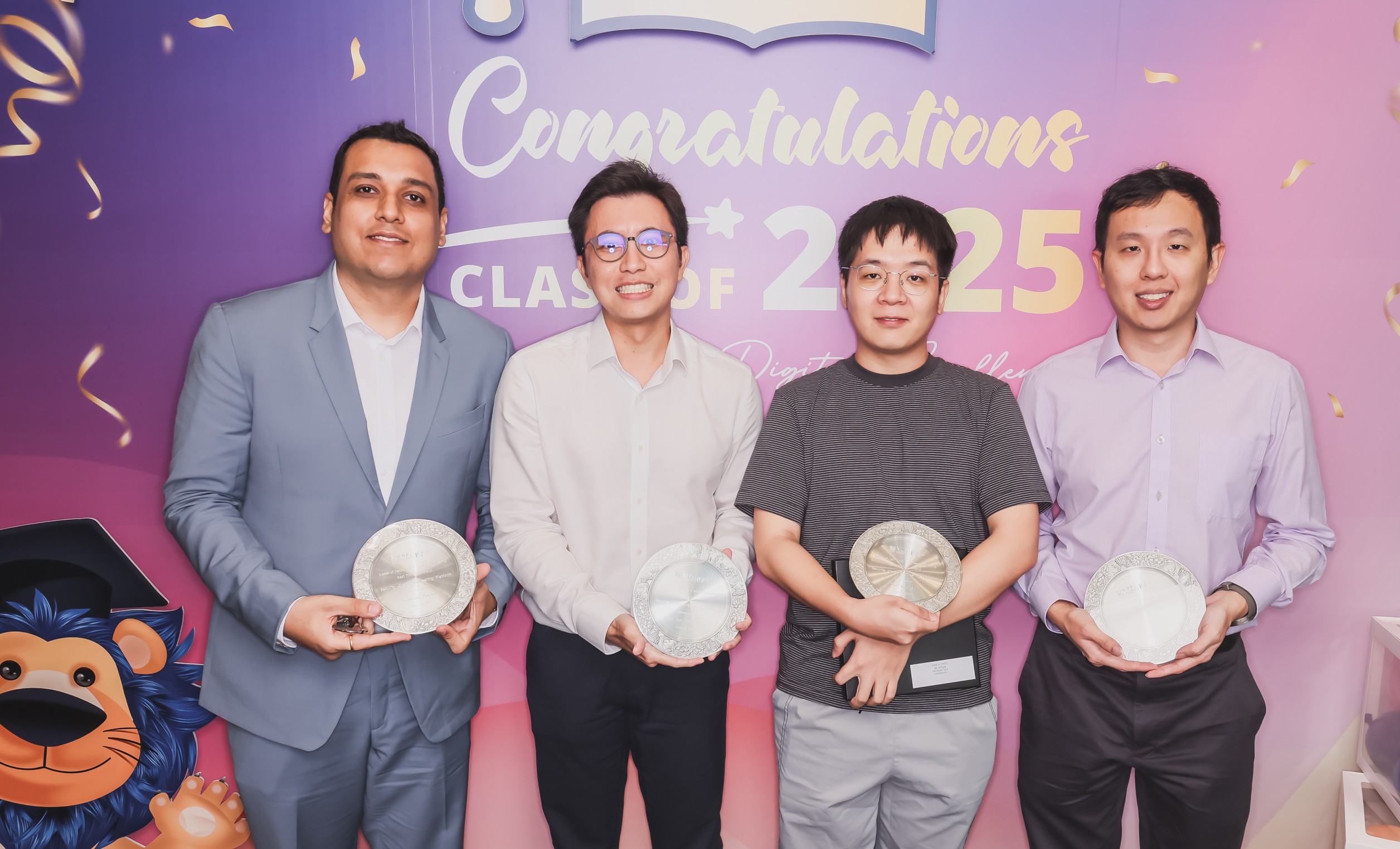
Gautam and his team mates were the receipents for 2025 Best Project for Master of Technology in Software Engineering.
Looking back, the journey was never just about earning a qualification. It was about becoming more thoughtful in his craft, more grounded in his decisions, and more intentional in the way he builds. Here’s the word of advice from Gautam to those considering pursuing a graduate programme, “If you’re managing both work and family, the Stackable Certificate pathway offers a flexible way forward. Beyond technical knowledge, it is the transferable skills, like systematic design thinking and product thinking, that really matter. Most importantly, keep an open mind and allow the experience to challenge your assumptions.”
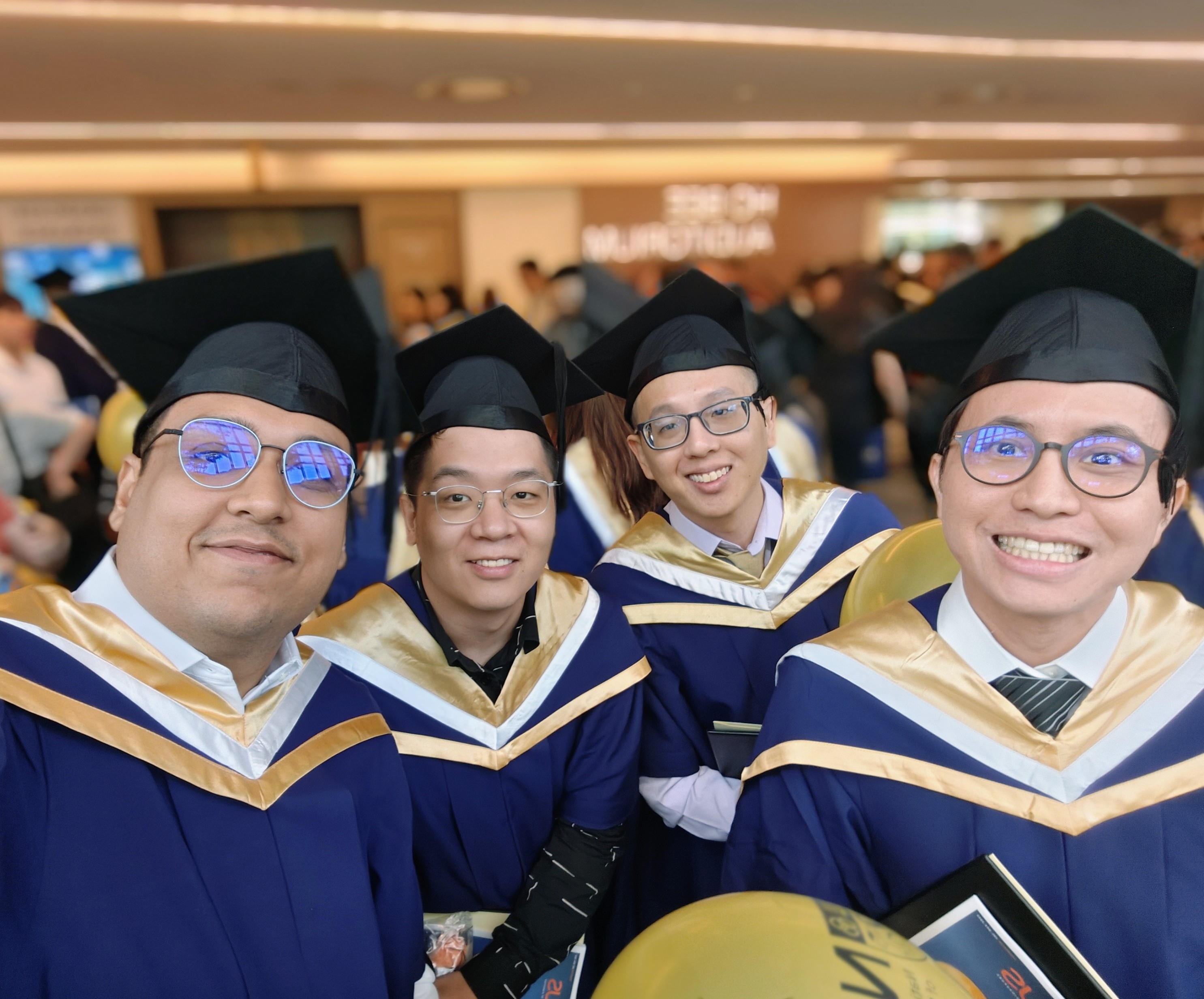
To Gautam, what made this journey memorable was not just the learning, but the people who made the long nights,
challenges, and milestones worthwhile.
Visit here for more information on the Master of Technology in Software Engineering programme. Interested in a flexible study option? Learn more about the Stackable Graduate Certificate Programme in Smart Systems & Platforms, which stacks up towards the Master of Technology in Software Engineering.