“Leadership, for me, has always started there, at home, long before any title or programme.”
For Jayaram Ragul Ram, that belief was shaped by the people closest to him. His father, whom he lost when he was 25, gave him an early sense of grounding through his presence. His mother, despite not having a high level of formal education, quietly held the family together and protected his education through difficult years. Later, his wife encouraged him to step beyond familiar boundaries, pursue further studies and take on new career opportunities. Together, these influences shaped his understanding of leadership as something rooted not in titles or positions, but in courage, support and the desire to create meaningful impact.
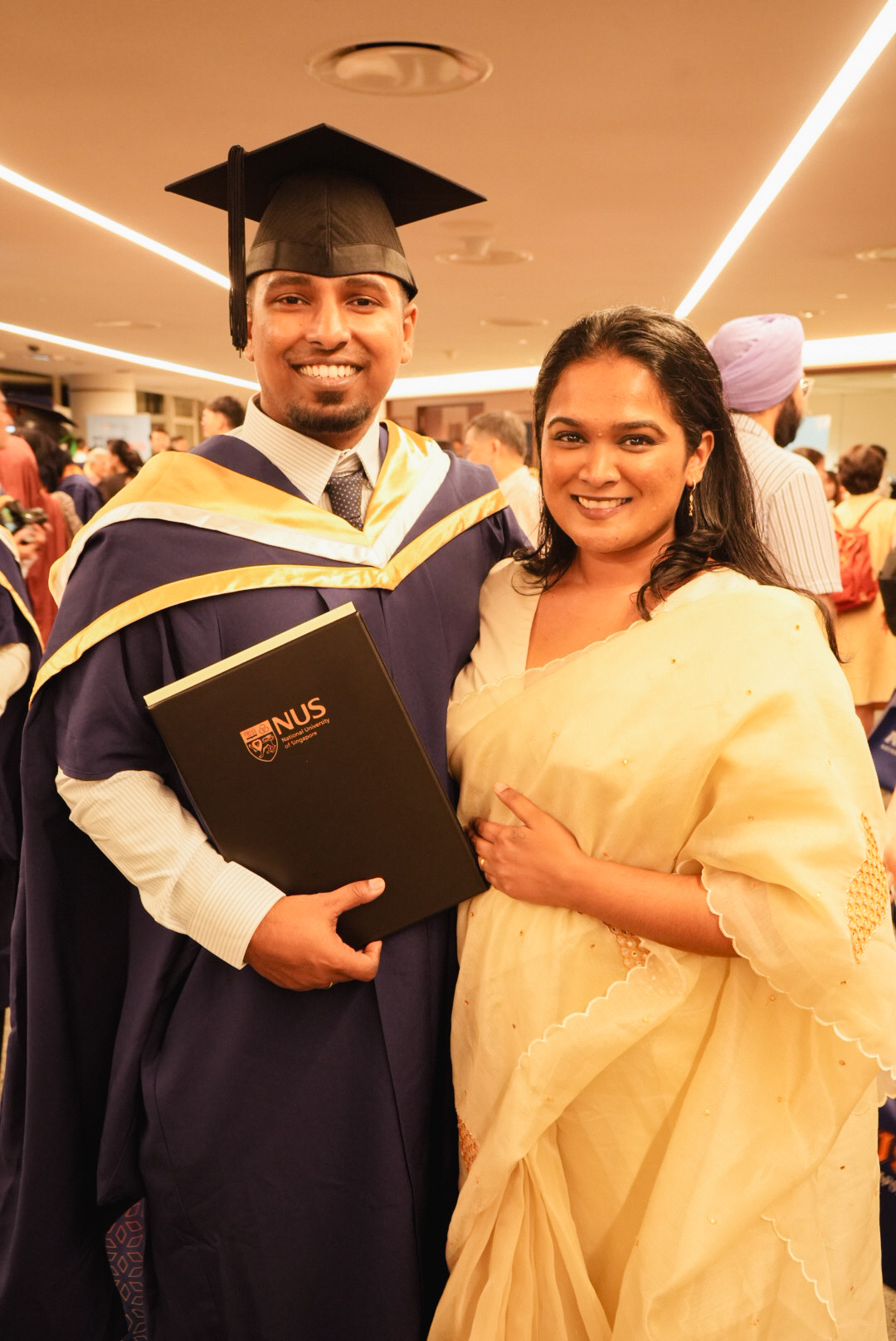
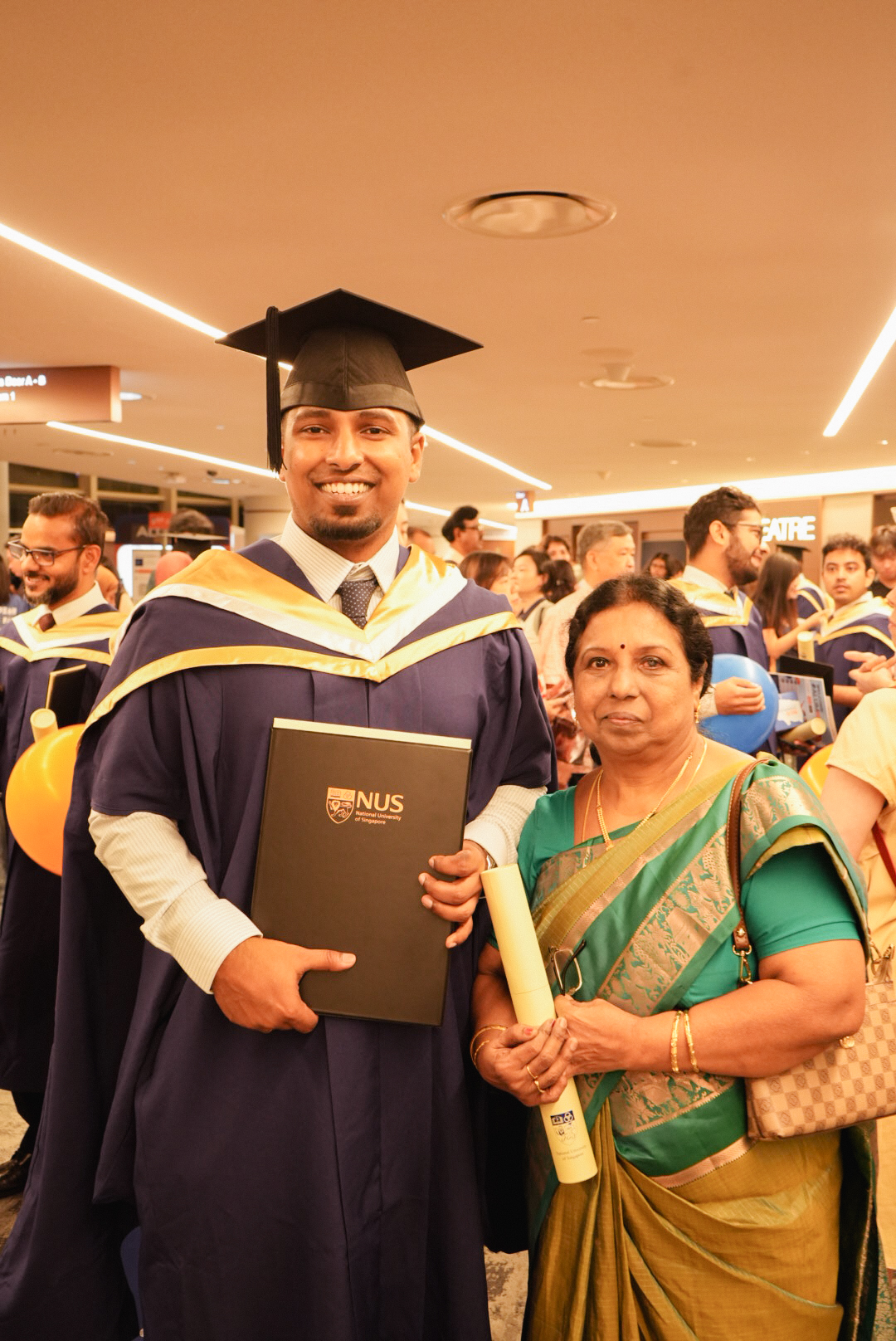
Ragul with his pillars of support - wife and mother
After graduating with a Bachelor of Engineering in Instrumentation and Control Systems from Anna University, PSG College of Technology in India, Ragul secured three job offers from major IT consulting firms through campus placements. He turned down all three.
Eye-opening experiences and internships through the university’s Entrepreneurs’ Club had left him “fixated on one word: data”.
Determined to kickstart his career with a data analyst role, he worked alongside a friend who was building a mobile development company. Ragul took on multiple tasks such as sales, marketing, project management and social media, gaining an early understanding of how a start-up operates. He eventually joined LatentView Analytics, where he worked as a data consultant for companies such as Microsoft and PayPal.
His career later took him into financial inclusion research at Dvara Solutions, where he worked with researchers from McKinsey and the World Bank. The project examined how data analytics could improve access to financial services for farmers, merchants, labourers and migrant workers.
“It was the first time I felt my work was creating real-world impact,” he recalled. The project was later published as a case study in a World Bank Journal.
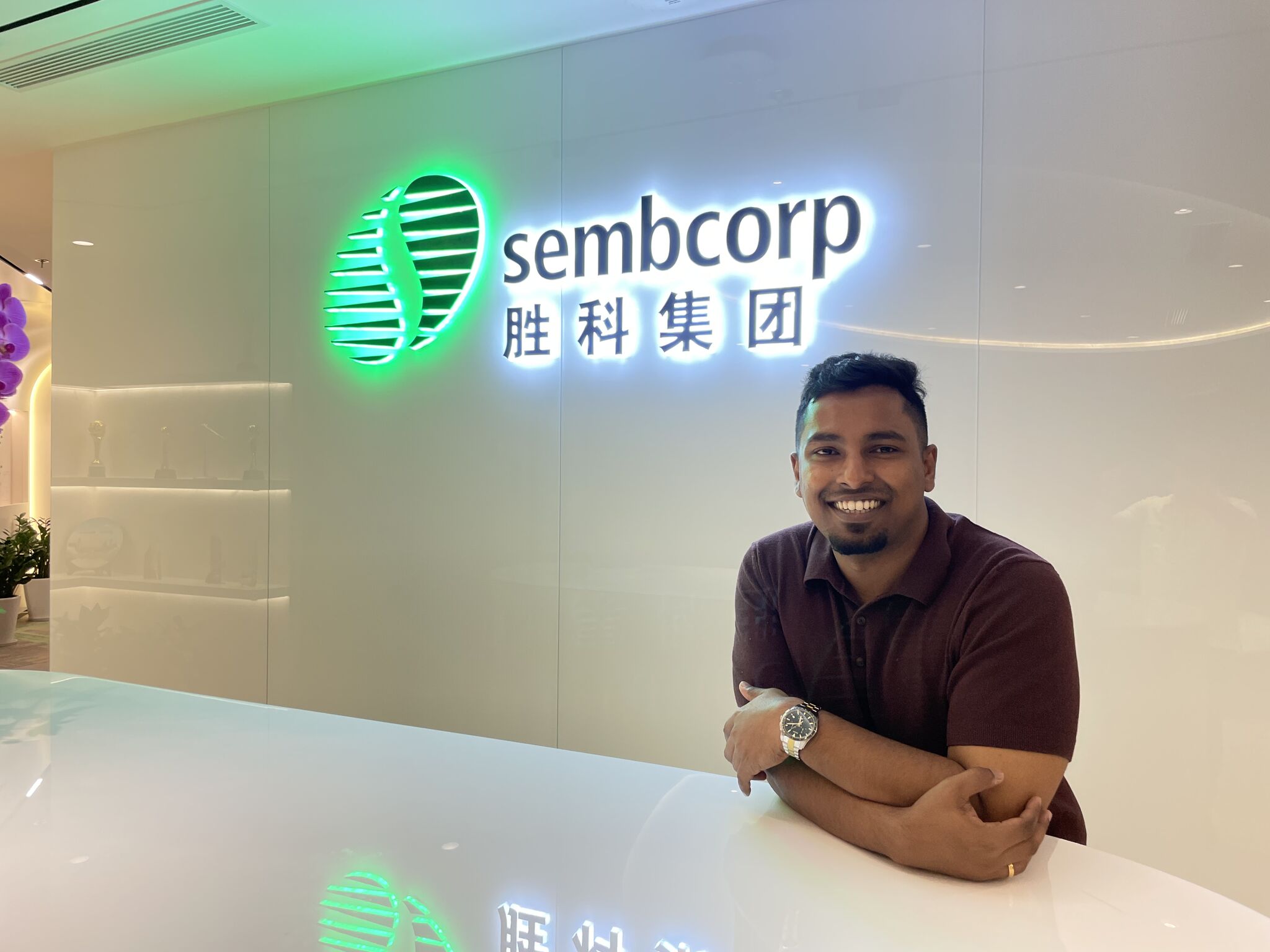
Ragul spent eight years with Sembcorp where he progressed through various positions.
Ragul later joined Sembcorp Industries as an external data science consultant before moving into a full-time role. Over eight years, he progressed through positions including Machine Learning Engineer and Senior Manager, eventually leading enterprise data and architecture initiatives.
Throughout those years, he continued taking technical certifications and professional courses. They helped him stay current, yet he felt something was missing.
“These helped me in the short term, but I felt I was not looking at the right place for long-term career growth,” he said. “I told myself I needed to find a way to complete my master’s degree to shape my future.”
His introduction to NUS-ISS came through a short course on real-time streaming. The experience stood out because the learning went beyond completing tasks as participants discussed ideas, applied concepts and shared perspectives across industries.
A friend later encouraged him to explore the Master of Technology in Digital Leadership (MDL). At the same time, his manager supported the decision as a way for Ragul to prepare for broader leadership responsibilities.
The part-time programme was intense. Almost every weekend for two years was devoted to lessons, assignments and group discussions. Ragul described the experience as “a great roller-coaster of fun and learning”.
He particularly valued learning alongside classmates from healthcare, finance, government and technology industries. Their different perspectives showed him that similar leadership challenges could require very different solutions depending on the organisational context.
MDL also changed the way he understood leadership. It was no longer about authority. Through modules covering strategy, digital complexity, platform thinking, product approaches and talent leadership, he learnt how leaders connect technology decisions with wider organisational goals.
His capstone project brought these ideas together. Ragul and his team developed a Virtual Power Plant platform concept for industrial parks, applying their learning to create a sustainable energy business model. The proposal later served as a blueprint for Sembcorp to begin discussions with the Energy Market Authority.
The programme also played a direct role in his next career move. During his interviews with Thoughtworks, Ragul drew on MDL concepts such as strategic thinking, platform design, product mindset and enterprise architecture.
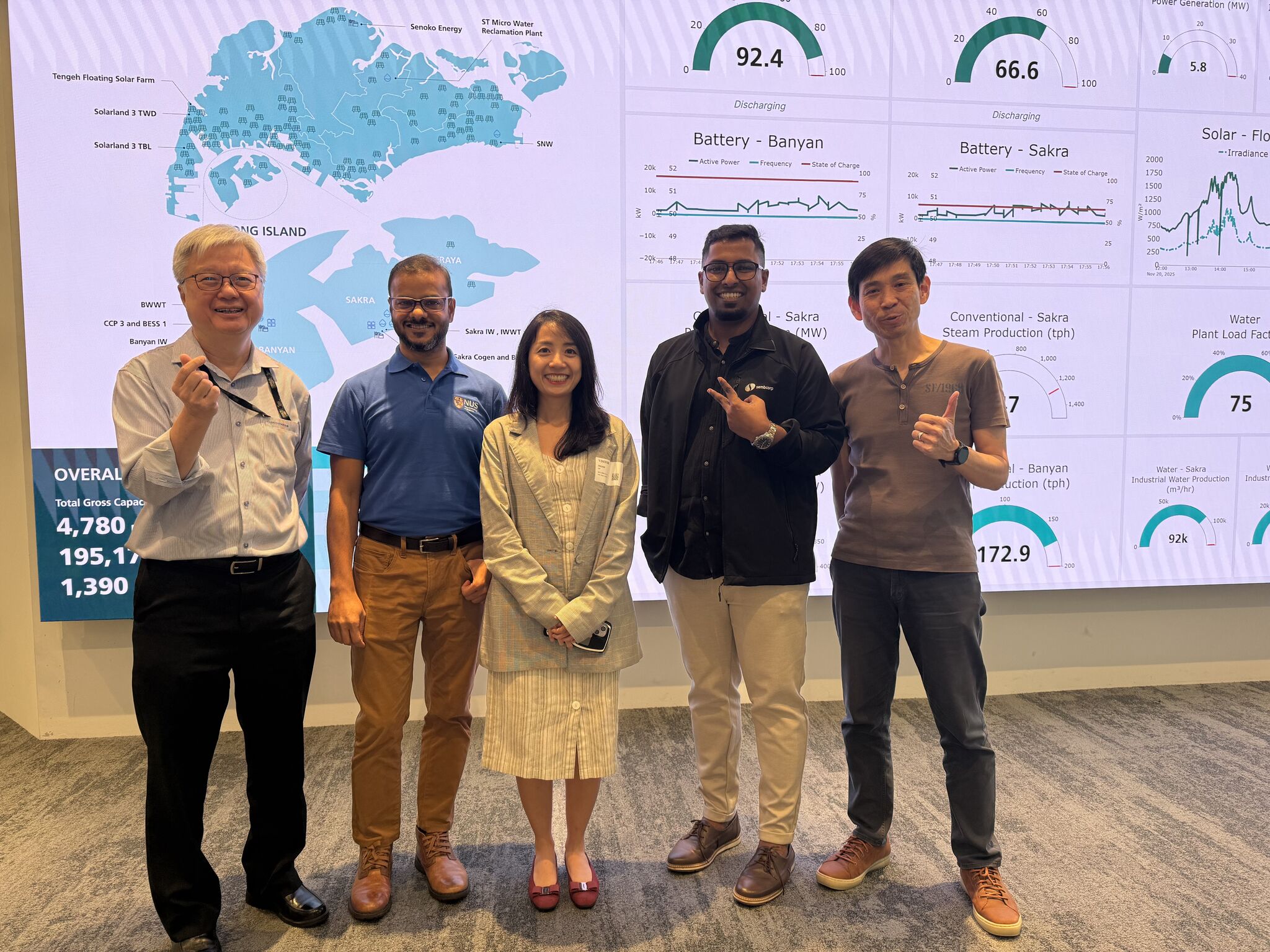
(Left to right: Mr Goh Boon Nam, Head of Digital Academy Services, NUS-ISS; Ragul's project mates, Mr Chandan Mohan Jaiswal and Ms Phoebe Luong, and Mr Andrew Ang, then Head of Digital Services, Sembcorp Industries Pte Ltd)
“That grounding genuinely helped me secure the role,” he said.
Today, he is Lead Data and AI Architect at Thoughtworks, advising clients on modernisation, digital transformation and data and AI strategy.
“MDL did not just prepare me for a role,” he said. “It prepared me for a different way of thinking.”
His advice to prospective students: “Choose a programme that challenges the way you think, not just what you know.”
For Ragul, the qualification was only part of the outcome. The deeper shift was discovering where he could contribute, how he could lead, and the kind of impact he wanted to create.
To learn more about the Master of Technology in Digital Leadership, click here for more information. Interested in a flexible study option? Learn more about the NUS-ISS Stackable Graduate Certificate Programme in Digital Leadership that stacks up towards the Master of Technology in Digital Leadership degree.
Applications for the 2027 intake are now open. Join our upcoming preview talk on 28 August 2026 to learn more about the curriculum, study pathways and admission requirements. Register now